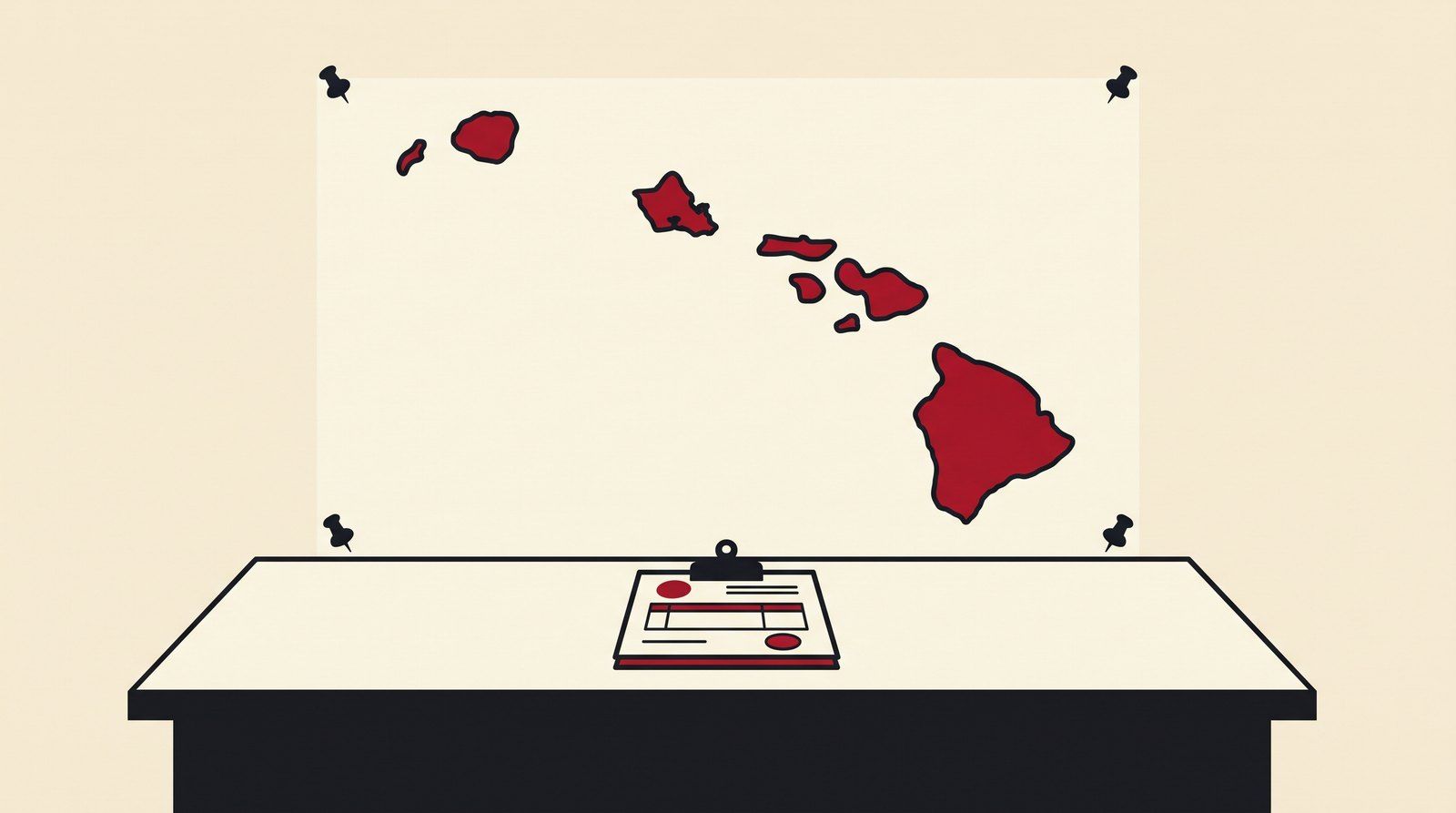
Best vending machine locator in Hawaii
Hawaii is one of two states a locator has publicly ruled out. The other national option has never shown a placement here, which leaves the search to you.
Desk
How locator services work, what they cost, guarantees, red flags, questions to ask and real signed-location examples.
The Buyer’s Desk explains what you’re actually buying from a vending locator, from lead lists to signed host agreements, and how to tell the difference before you pay.
The desk’s main beat is the How Vending Locators Work section. Every article it publishes follows Fine Print’s editorial standards: primary sources linked where they are used, arithmetic shown in full, a review date and a public corrections process.
The desk is a byline, not a person: AI tools assist research and drafting, and the editor, Don Harrison, checks each article against its sources before publication.
Hawaii is one of two states a locator has publicly ruled out. The other national option has never shown a placement here, which leaves the search to you.

Idaho asks almost nothing of an operator, which leaves the contract carrying the entire weight — in a state where no locator has anything local to show.

Most states give a buyer 48 or 72 hours with the paperwork. Illinois gives fourteen days, registers the seller, and then exempts you if you are wealthy enough.

Indiana’s protections are among the strongest in the country and the switch that turns them on is a sentence the salesperson may never say.

Iowa’s business opportunity law closes the referral gap by name, and its vending licence has to be in hand a month before the machine runs. Plan backwards from that.

No machine licence, no state registry, no cooling-off period. Kansas is one of the states where the paperwork you negotiate is the only paperwork there is.

Most state laws have to be argued into covering a locator. Kentucky lists a location claim alongside earnings claims, bonds the seller, and lets you walk for a month.

Most states that protect a buyer start with paperwork. Louisiana starts with a bond, sets no disclosure requirement at all, and bites at $300.

Most states set the barrier in the bond. Maine sets it at $25, waives the bond for a seller with a Bangor address, and starts the disclosure clock at the first handshake.

Maryland gives you ten business days to read and no right to change your mind. Its bond is not a barrier to entry — it is a tax on promises.
Massachusetts asks a vending operator for almost nothing. That is the problem: with no state statute verified here, the federal disclosure is the whole of your protection.

Michigan is a remedy statute dressed as a filing requirement. Nothing compels a seller to tell you anything, so the record is yours to create.

Most states treat a location promise as a business opportunity. Minnesota treats it as a franchise, which is a considerably heavier thing to be.
Mississippi has one of the six largest placement records in this series and the thinnest legal paperwork behind it. Read the deals, not the code.
The state asks nothing. That is not the same as nothing being required — in a home-rule state the real licensing question is answered at city hall.
Montana asks less of a vending operator than any state in this series. It also offers a buyer nothing local to check, which is the trade.

Nebraska’s statute has no dollar floor, a volume trigger instead of a price one, and a cap on money taken in advance. It is the most protective empty state here.

Nevada bills a vending operator for existing and protects it for nothing. Three annual licences, no state registration, no cooling-off period confirmed.
Most states catch anyone who promises a location. New Hampshire catches the ones that also supply the equipment, which is a narrower net than it looks.

Three New Jersey listings, three shares, and an ordering that makes no sense on traffic. If you wanted proof the percentage is not priced on footfall, it is here.

Most states let a sealed-package machine off with a sales tax permit. New Mexico does not, which makes the licence question larger than it looks.
Six New York listings, three different machine types and the lowest average share in the record. Thin paperwork, unusually favourable terms.

North Carolina is strict about the seller and silent about the machine. It is also the only verified state that will take an FDD instead of its own disclosure.
North Dakota regulates the machine harder than any state in this series and the seller not at all. The paperwork is all at the wrong end.

Most states make a large seller post a bond. Oklahoma lets a large seller skip registration entirely, which inverts who the paperwork reaches.
Two Oregon quirks decide what a first machine costs: the licence covers a fleet rather than a unit, and it dies at the end of the calendar year.
Pennsylvania gives a buyer the rarest thing in this series: two venues of the same type, in the same state, five days apart, on different terms.
Rhode Island asks $50 for up to three machines and prorates it by when you apply. It is the cheapest entry in this series and the easiest to go and inspect.

Most states hide the registration in a filing cabinet. South Carolina puts it in the advertisement, where anyone can check it in thirty seconds.

Most states name a securities regulator or an attorney general. South Dakota sends vending locators to the insurance division, and lets them pick their security.
Tennessee has no verified business opportunity statute and a separate tax on amusement games. What it does have is three venues that agree exactly.
Most states catch a location promise on its own. Texas needs two things at once, which means a quiet seller is an unregulated one.

Utah asks for no bond and no registration. It asks for a receipt proving the disclosure happened — and it can now take that receipt away.

Vermont is the cheapest state in this series to put a machine into and one of the least regulated. The compensation is ten placements next door.

There is no Virginia registry to check. There is a bond that has to be in place before anyone tells you they will find locations — so ask when, not whether.

Nebraska caps the advance payment at a fifth. Washington forbids it outright — no money before signature — which makes it the strictest state here on cash.

Most states in this series ask more of the seller than of the machine. West Virginia reverses it: a certified person, a county price, and nothing on the locator.

Seven signed Wisconsin venues, every one of them stating a price. The state’s own rules sit on the machine and on the contract’s back end, not on the locator.

A non-transferable licence changes what buying into a route means. In Wyoming the paper belongs to one operator at one address, and nowhere else.

Most state laws have to be argued into covering a locator. Florida’s says the quiet part aloud: supplying the names of locator companies is enough to be inside it.
Alabama has no verified business opportunity statute of its own. That makes the FTC’s one-page disclosure the whole of what a locator owes you before you pay.
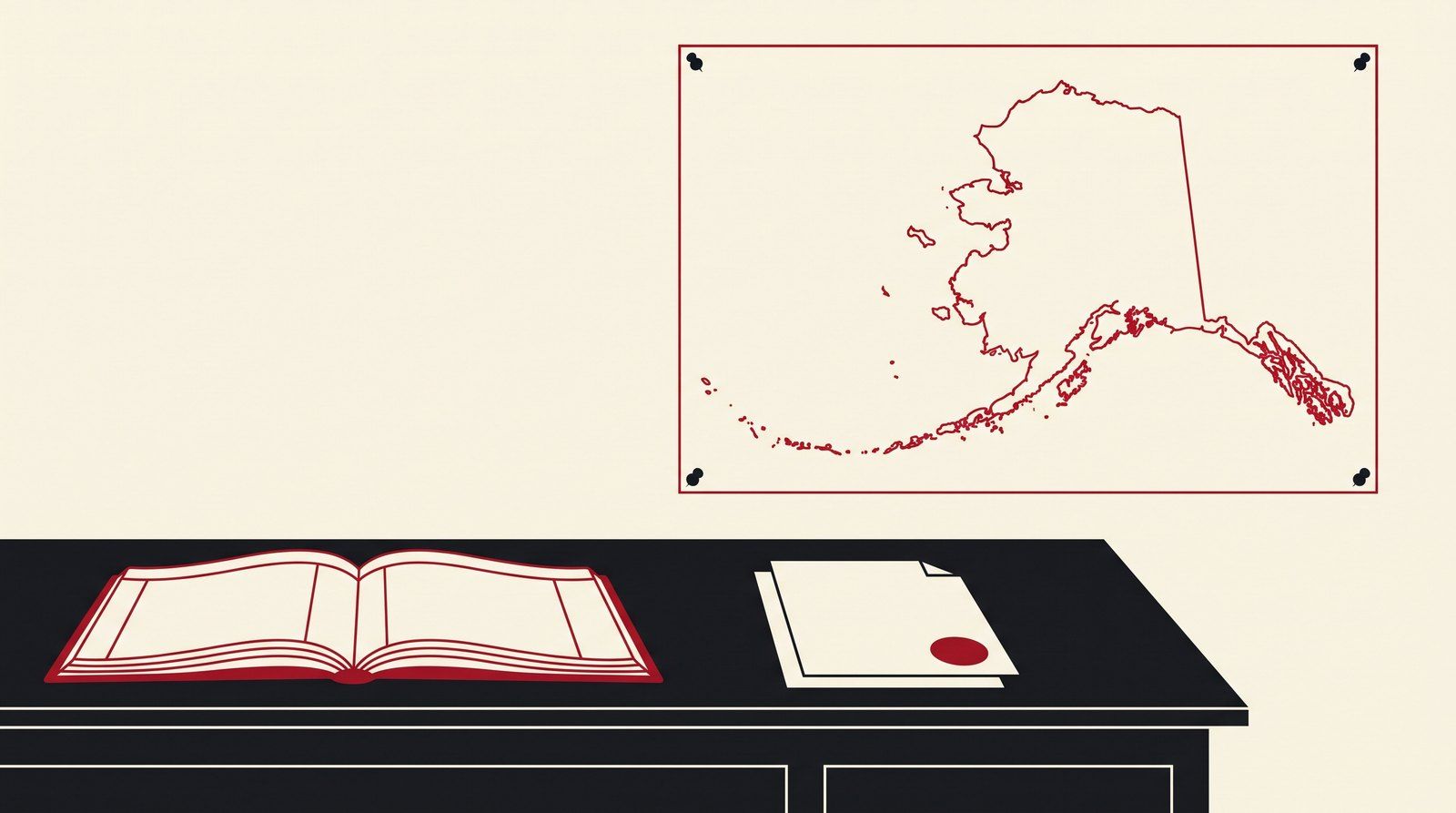
Alaska has the toughest business opportunity law in the country for this exact trade, and it starts at $250. That matters more here than any locator’s coverage map.
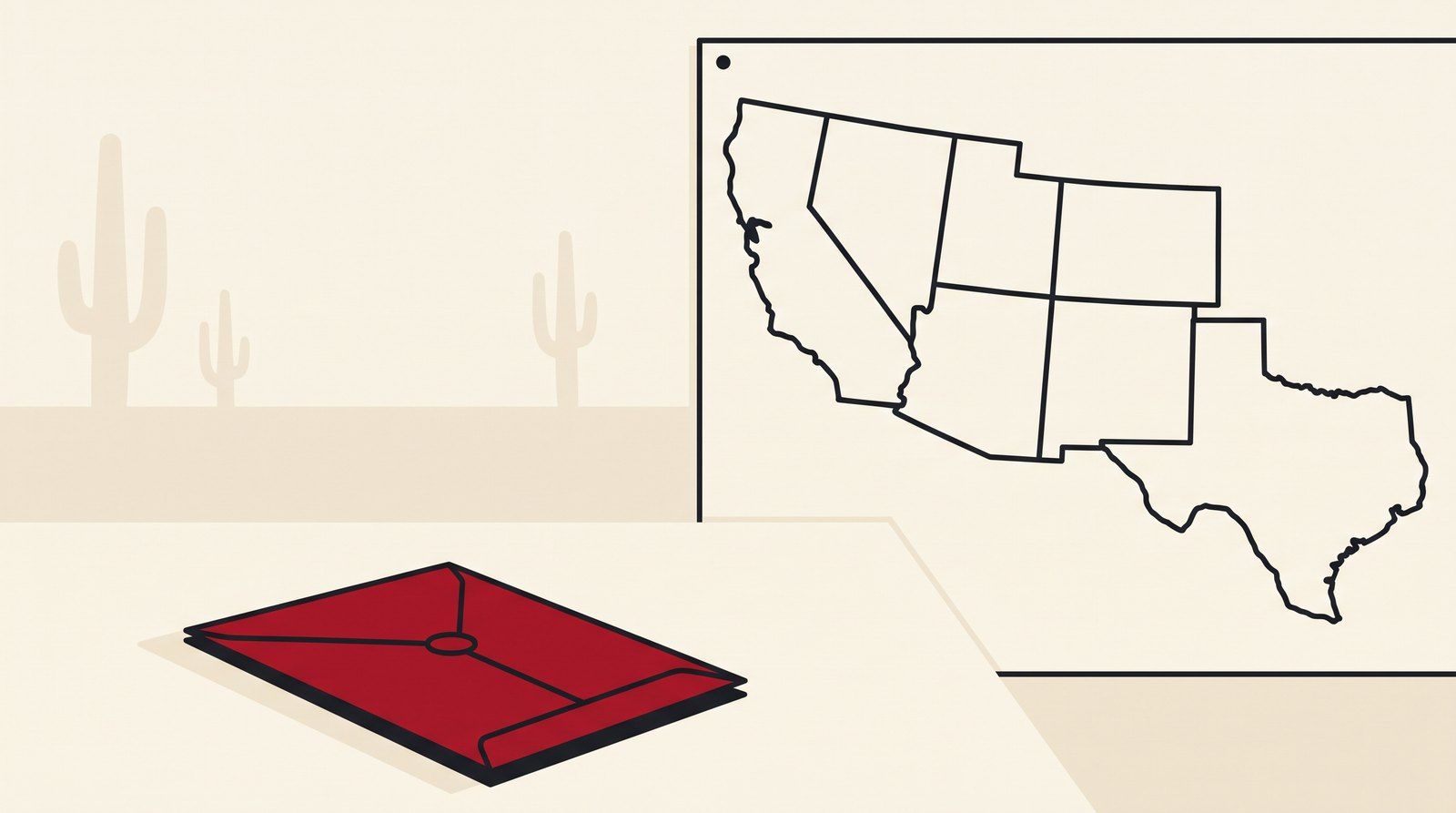
Arizona is served by both national locators and signed by neither. A first placement in a state is a different risk from joining a queue, and should be priced like one.

Arkansas is the rare state that taxes the machine three different ways and lets you pick. The option you choose changes your per-machine cost from zero to $93.

California’s seller assisted marketing plan law is one of the strongest in the country, and a promise of locations alone does not trigger it. The earnings claim does.

Colorado puts an identification decal on each machine and leaves the food licence to whichever of its public health agencies covers your address. Nine counties are the exception.
Where California needs an earnings claim before its law applies, Connecticut needs only a promise of locations and $200. It is the sharpest statute in the country for this trade.

Delaware licenses the machine, not the operator: five dollars each, every year, plus a two-inch label naming you. The locators, meanwhile, have signed nothing here.
A state that lets a seller hold only 15% of your money until you have been trading for 60 days is a state where the standard enrolment fee deserves a question.
Ohio has two different locator markets, not one. A specialty machine and a snack machine are placed by different companies, on fee models that are not comparable until you write them out.
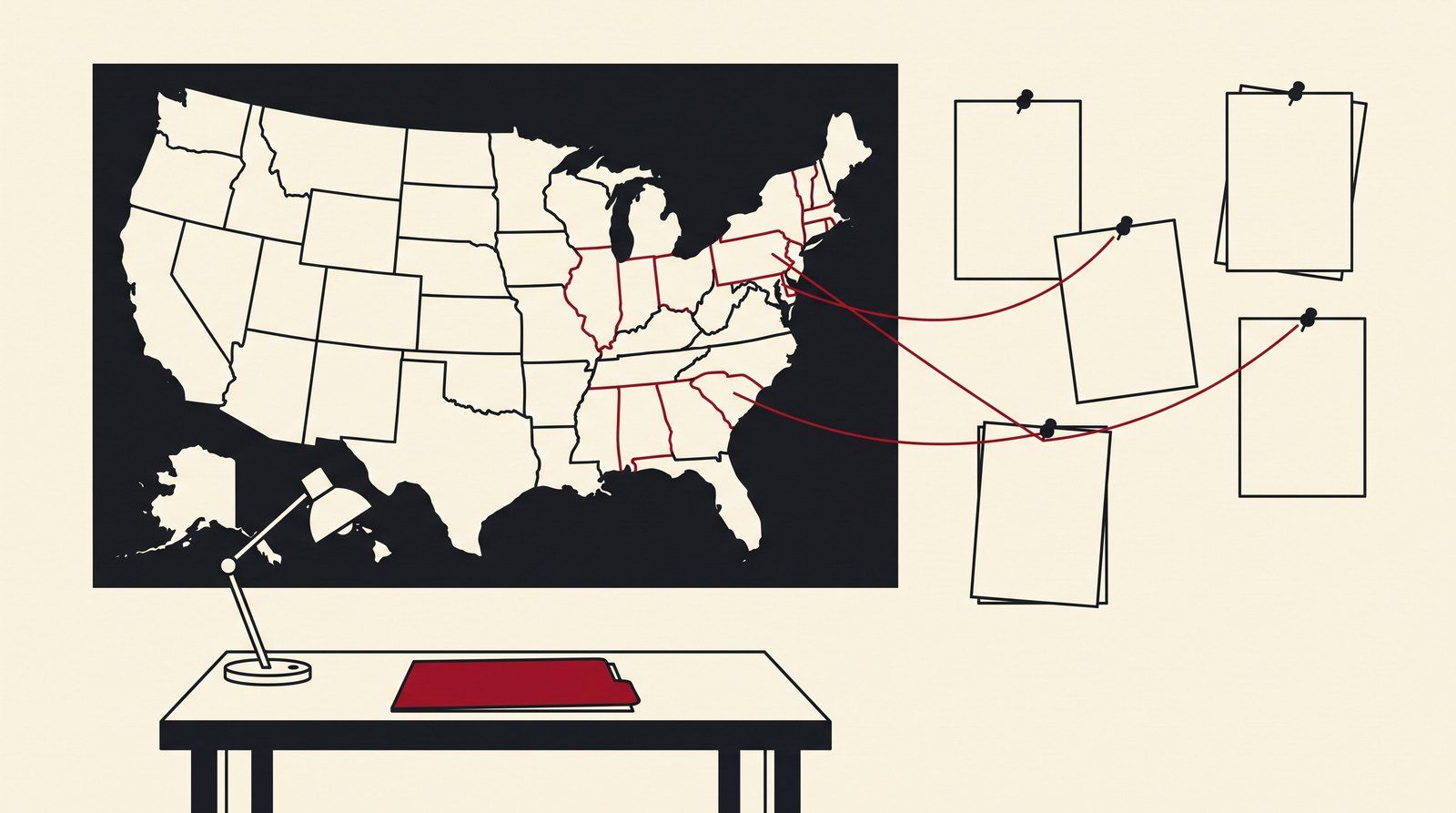
Most locators work nationally, so picking one by state is really picking one by what you can verify there. Twenty-nine states have a placement record; twenty-one have none.

The sales call is the cheapest moment to learn what you are buying. Twelve questions, the answers worth hearing, and the answers that should end the call.
Three different businesses sell under the word locator. Before you pay one, find out which you are buying and whose name goes on the venue’s contract.
Locator prices are rarely published and never quoted the same way twice. Put every quote on one footing: what it delivers and what it costs over 24 months.
A locator fee is quick to repay at a busy venue and slow to repay at a quiet one. Price your own hours, then do the arithmetic before you sign.
Every locator guarantee names an event, starts a clock and promises a remedy. Read those three before the price, because the fine print decides whether it pays.
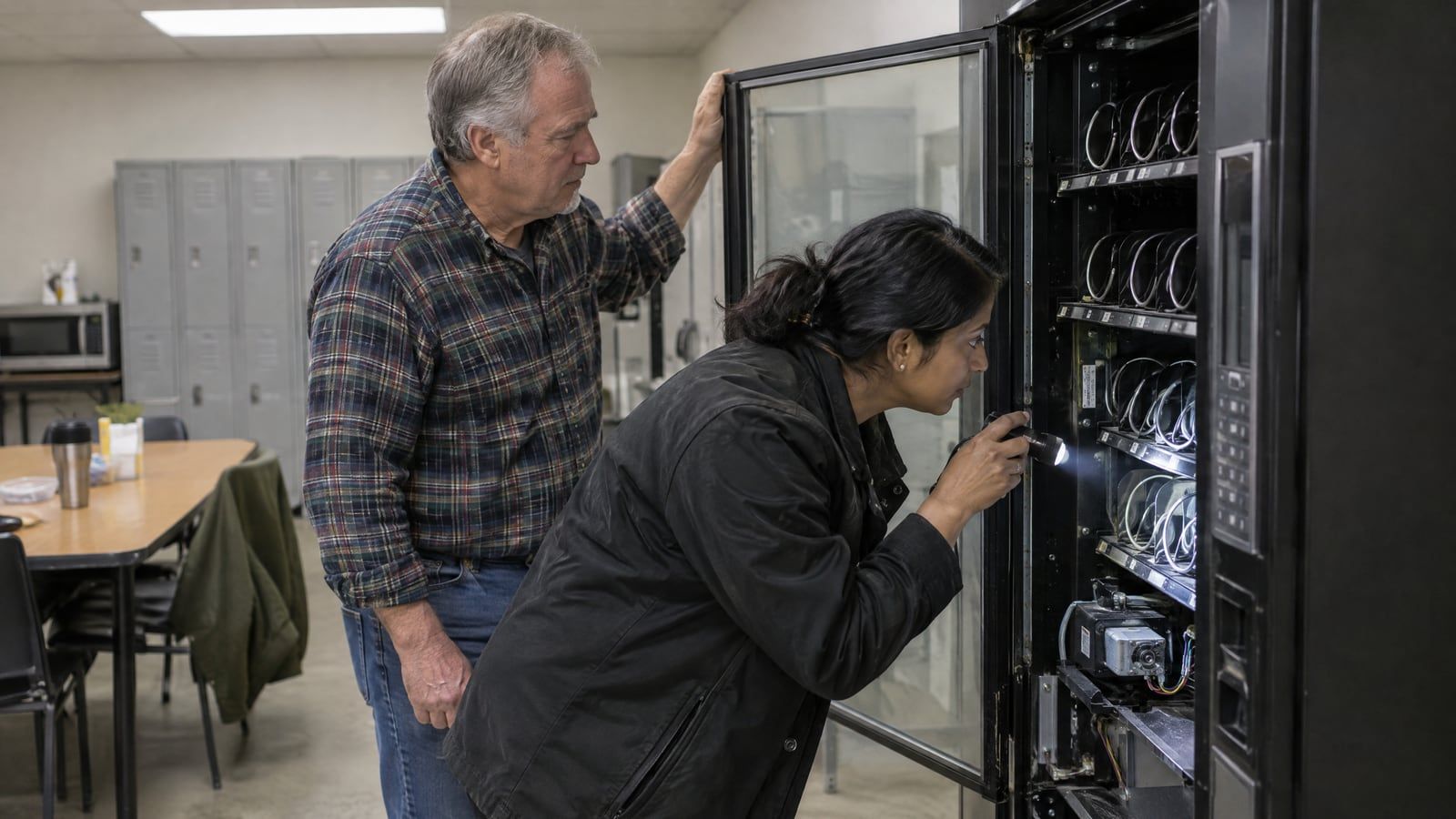
One path buys a location for a machine you already own; the other buys machines that already have locations. Here are the math, the speed and the traps.
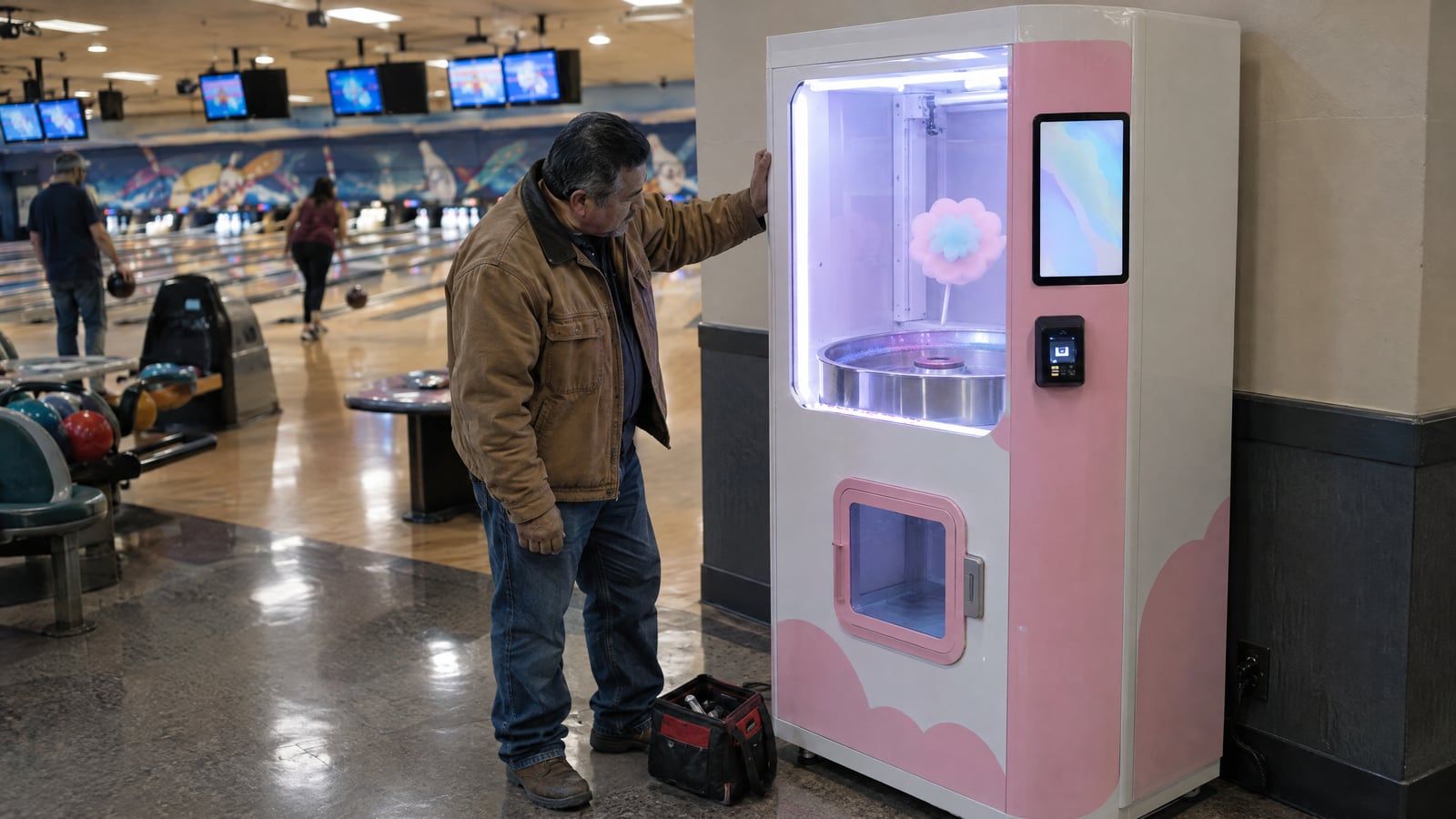
An arcade, a gas station, an ice rink and a bowling alley, each under a signed host agreement, read term by term with the arithmetic done.
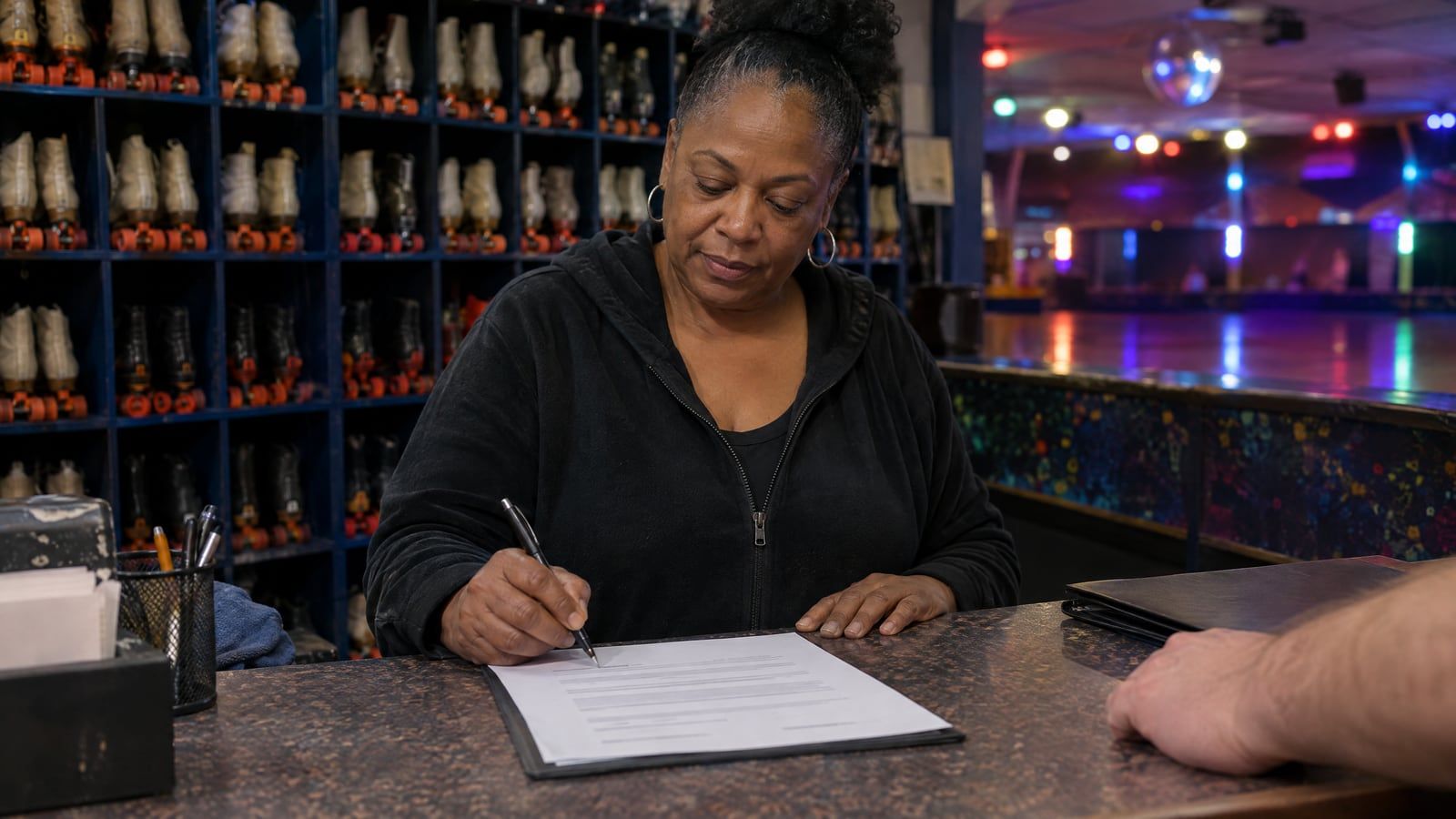
Whoever signs with the venue owns the relationship. That decides who finds the next spot when a venue closes, and whether your route can be sold.
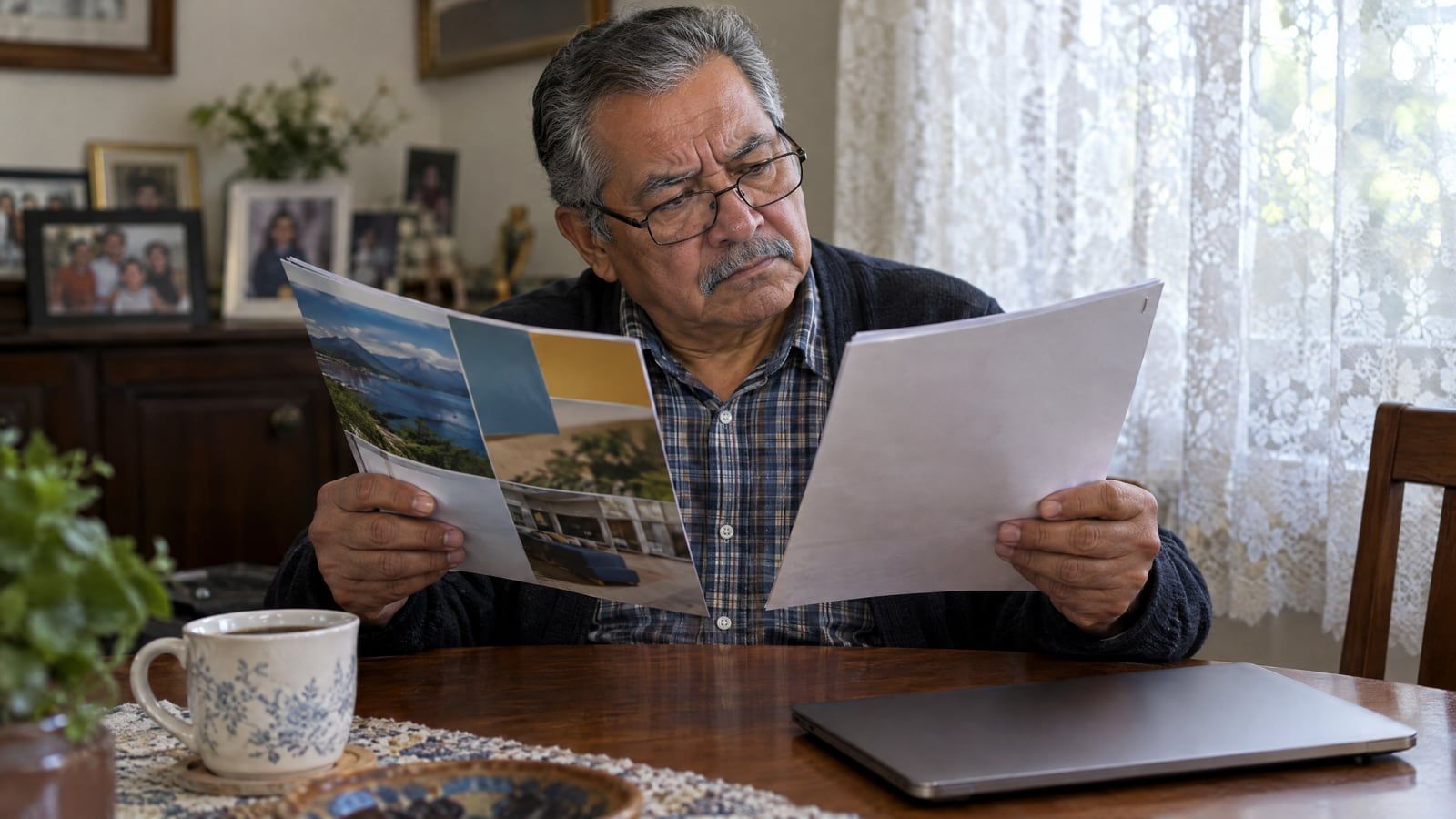
Most bad locator deals give themselves away before any money moves. These are the behaviors to watch for, drawn from FTC guidance, court records and public complaints.
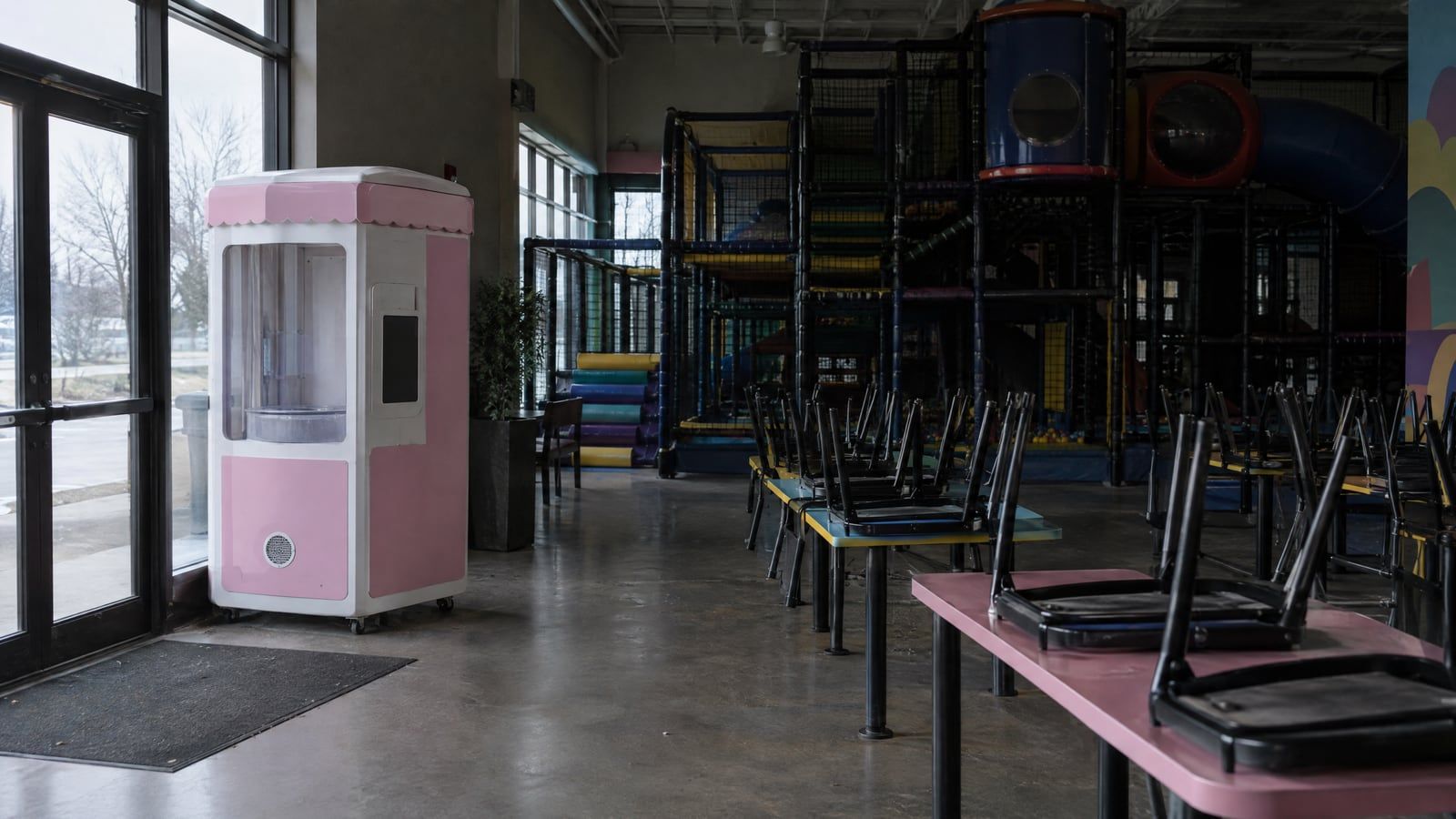
A closed venue is a contract question before it is a moving job. The order to do things in, what to send, and what to ask for next time.

A star average tells you little about a locator. Complaint histories, court dockets, state filings and the references a seller must list tell you more.
A lead is a phone number; a signed placement is a venue that already said yes in writing. The price gap pays for every no in between.